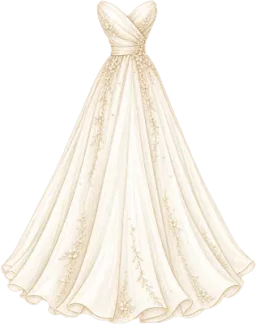
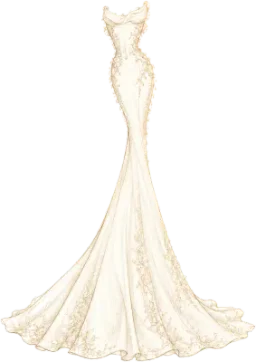
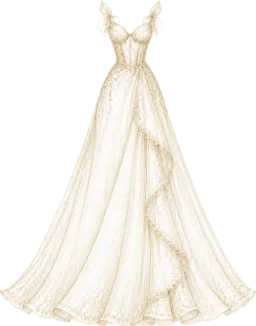
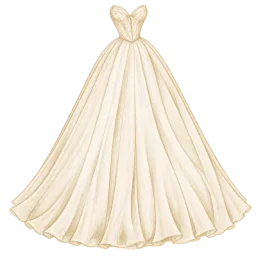
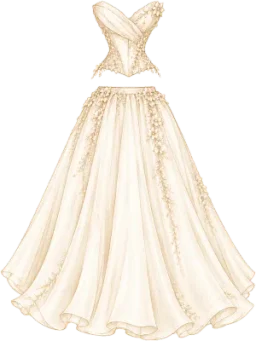
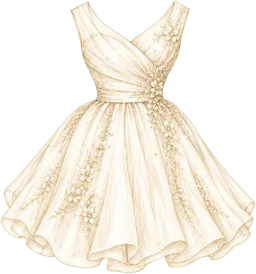
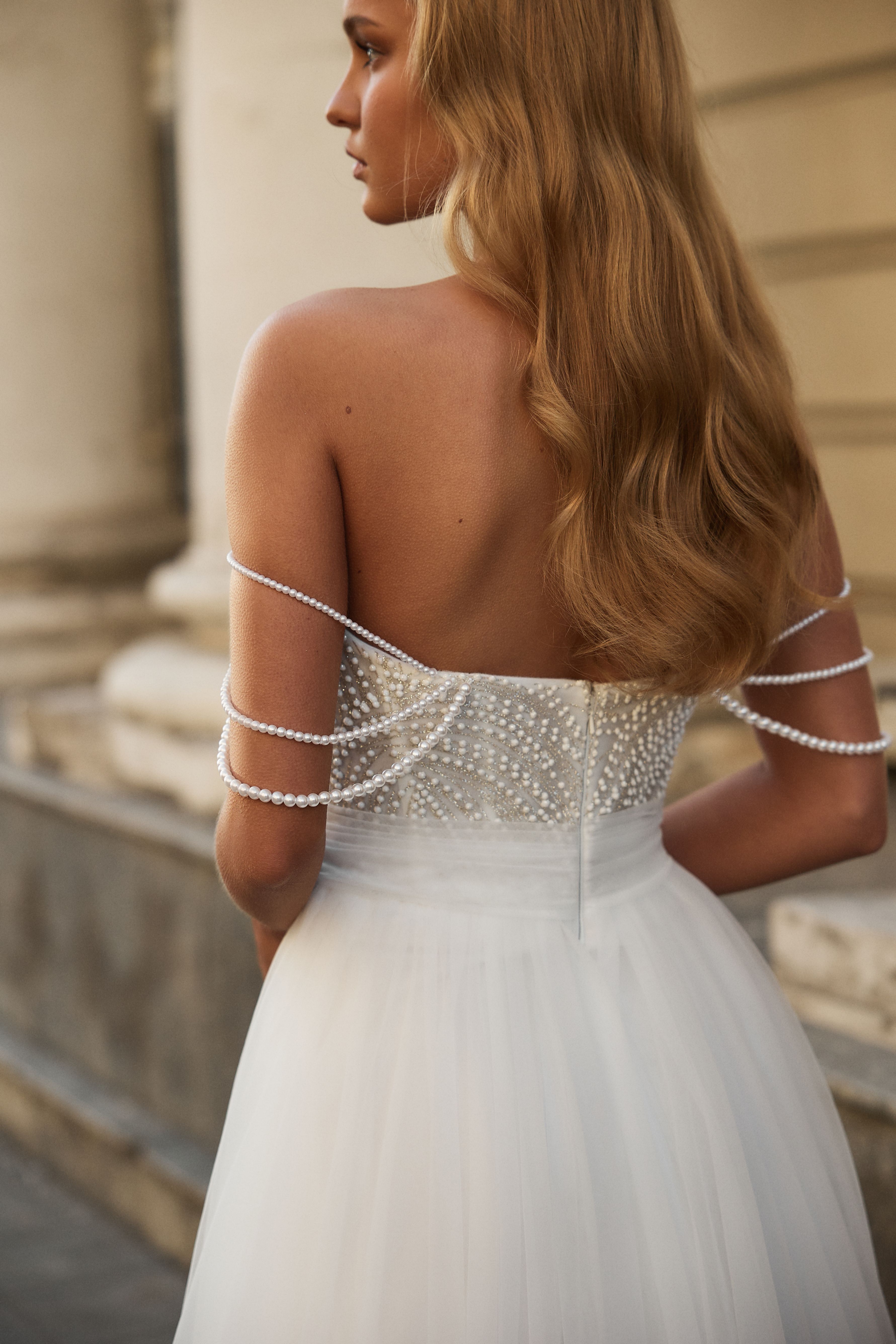
When choosing a wedding dress, it can be more useful to examine individual details than to follow a claim about what is “in” for a whole season. Different collections offer very different interpretations.
This guide presents styling directions to explore for a 2027 wedding using the catalogue as a starting point. It is not a verified forecast of industry-wide trends or a claim that every detail suits every bride.
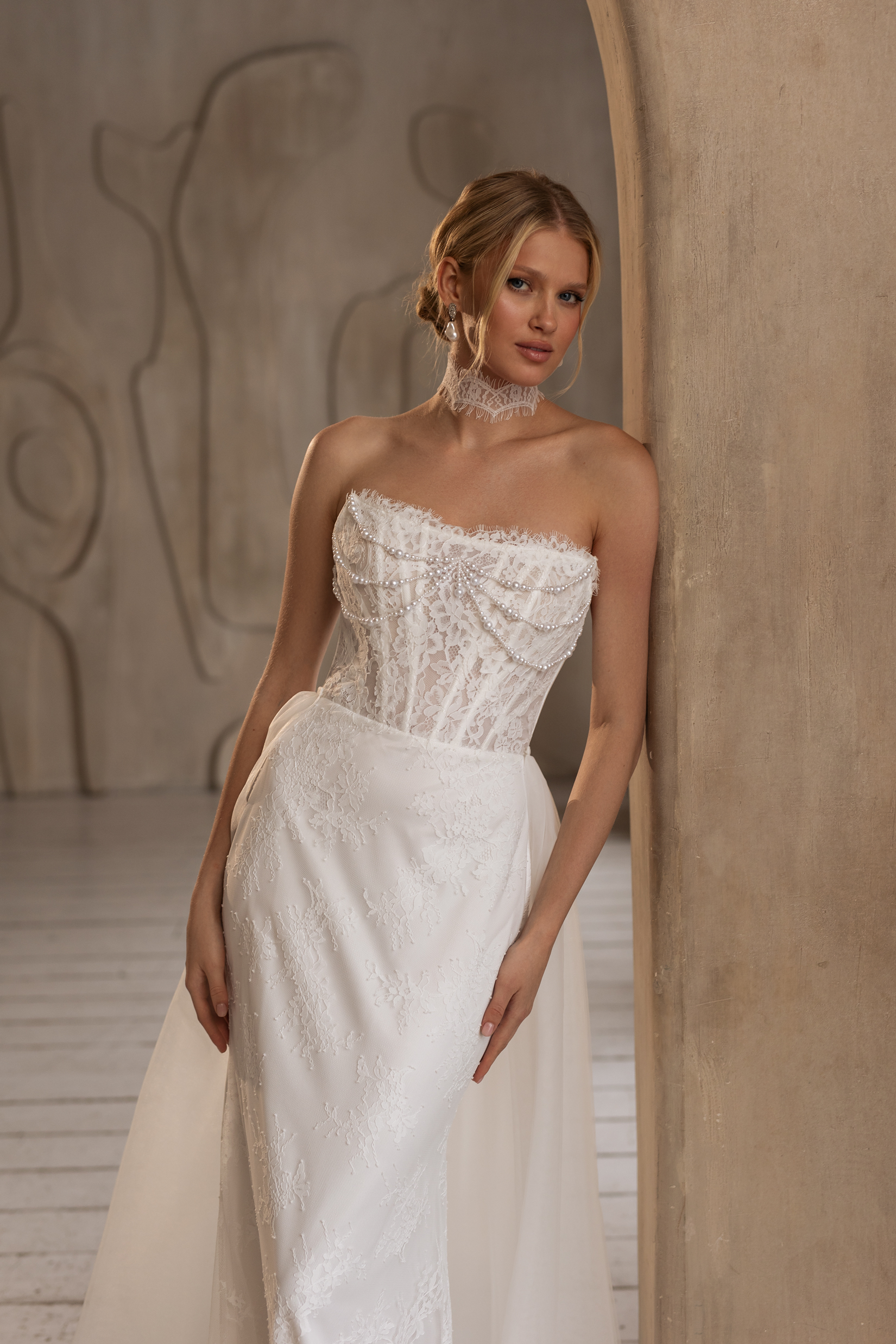
Construction as Decoration
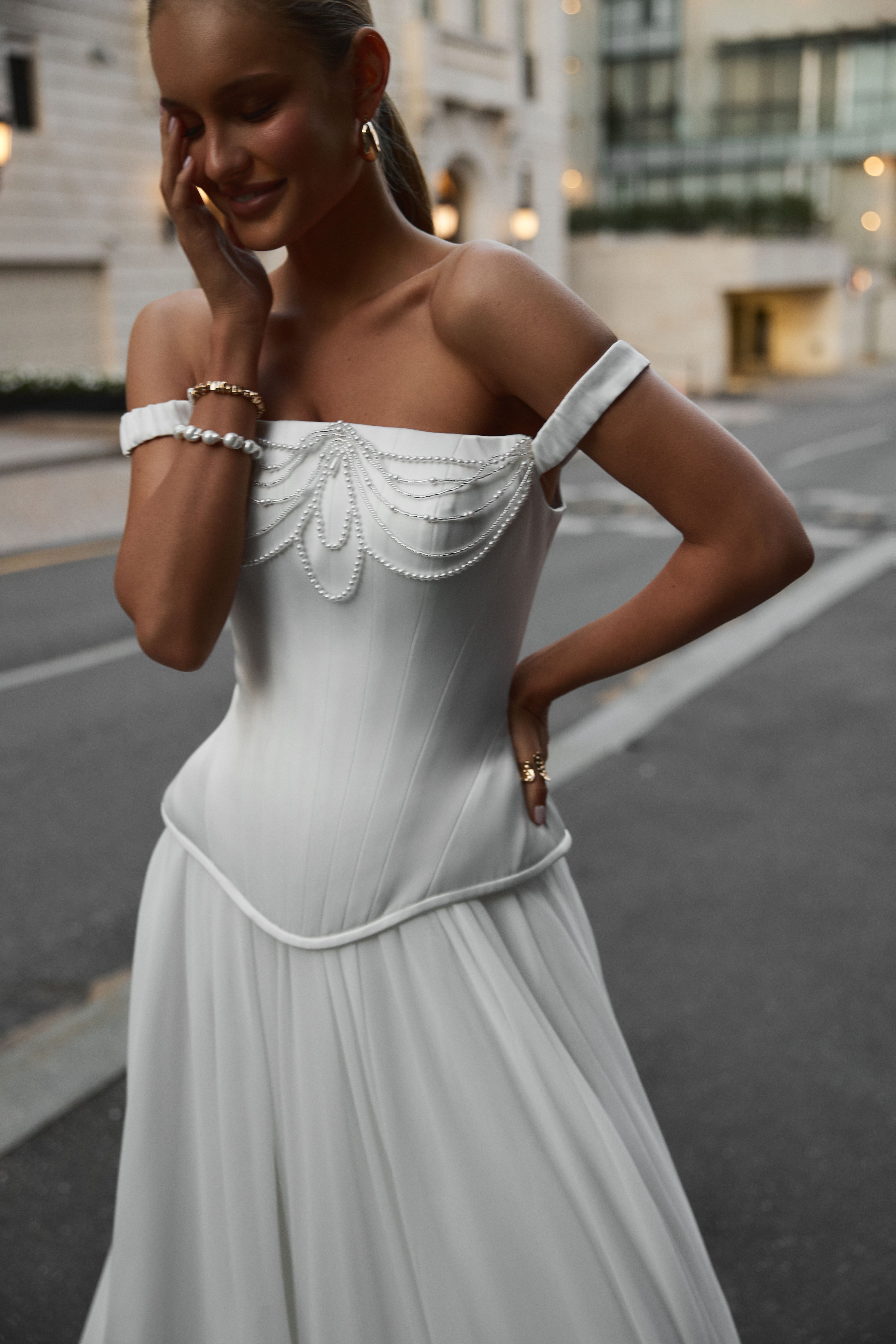
Folds, draping and pleating create interest through the fabric itself. They offer an alternative to embroidery and stones if you enjoy shape and texture.
Look at close-up photographs as well as the full silhouette to understand the effect. Compare examples in our new wedding dress arrivals; the right balance of structure and embellishment is a personal choice.
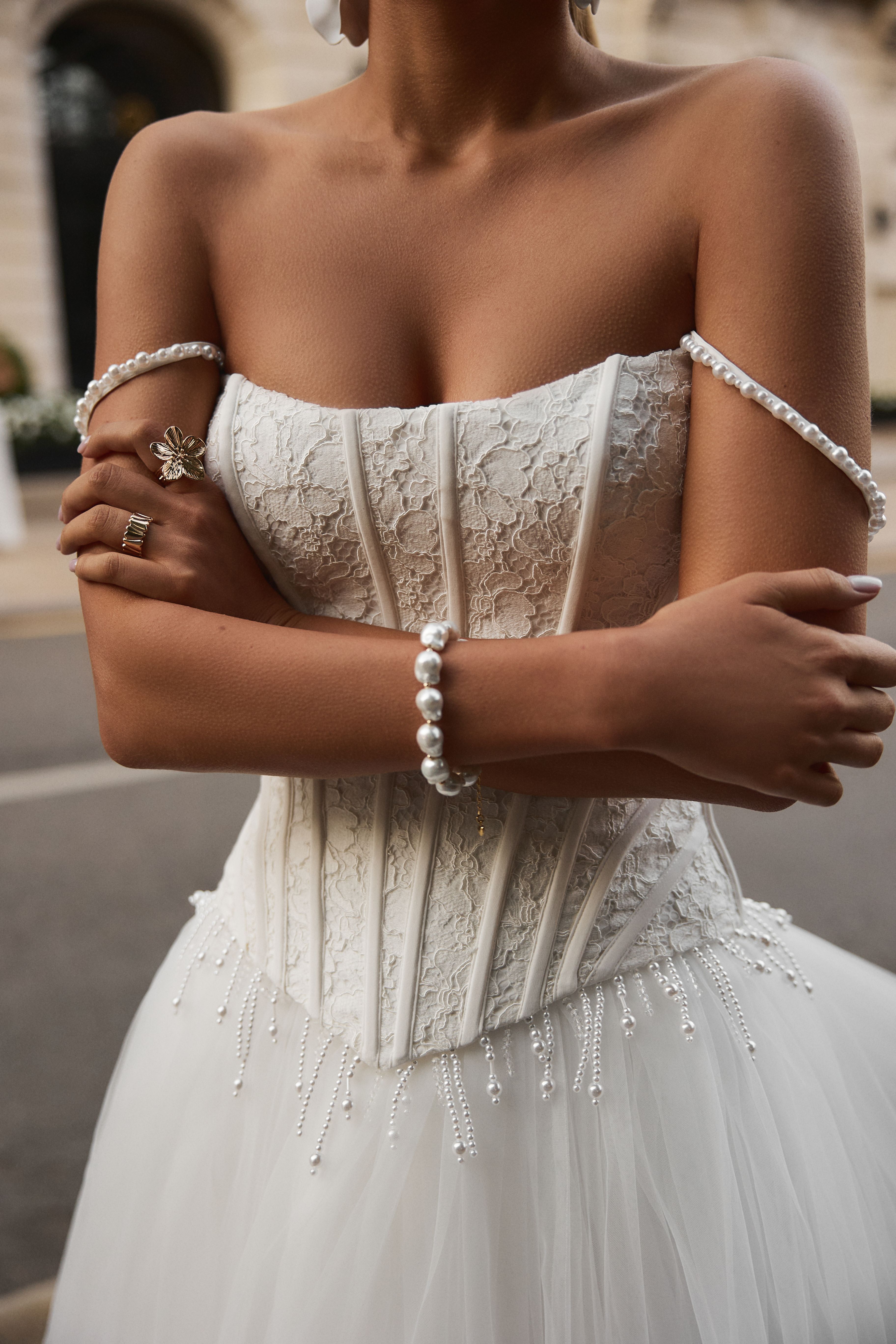
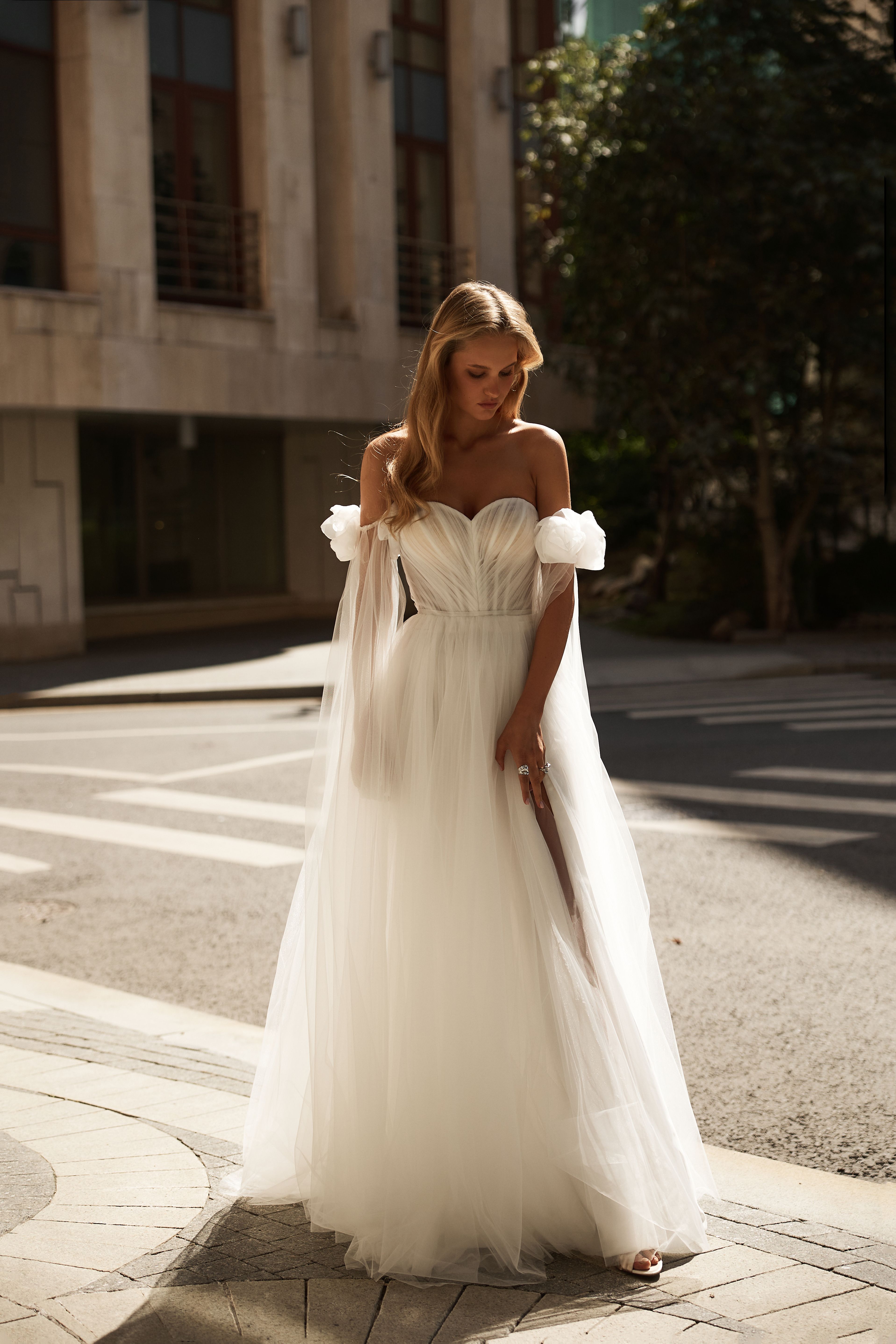
Detachable Details
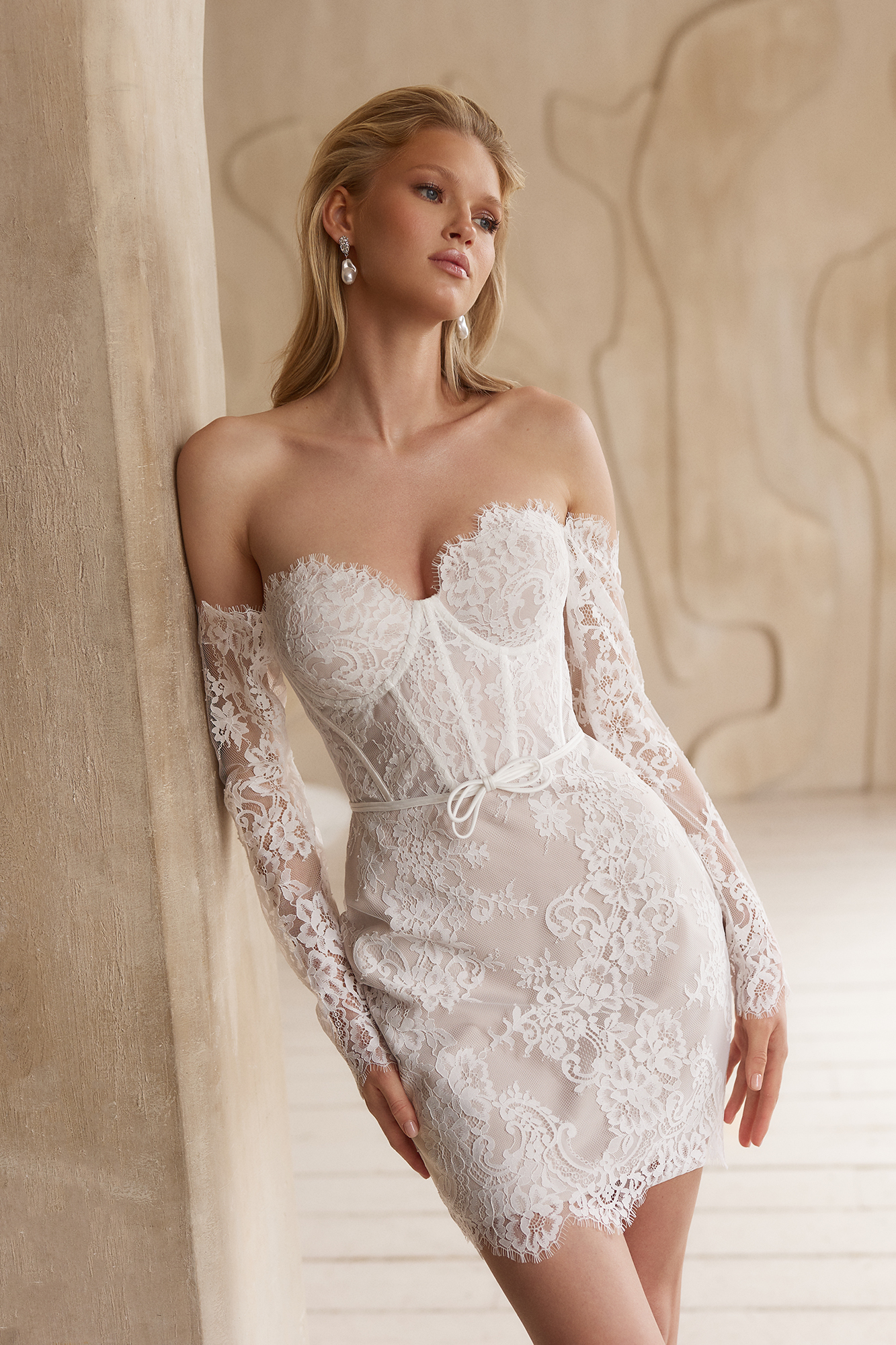
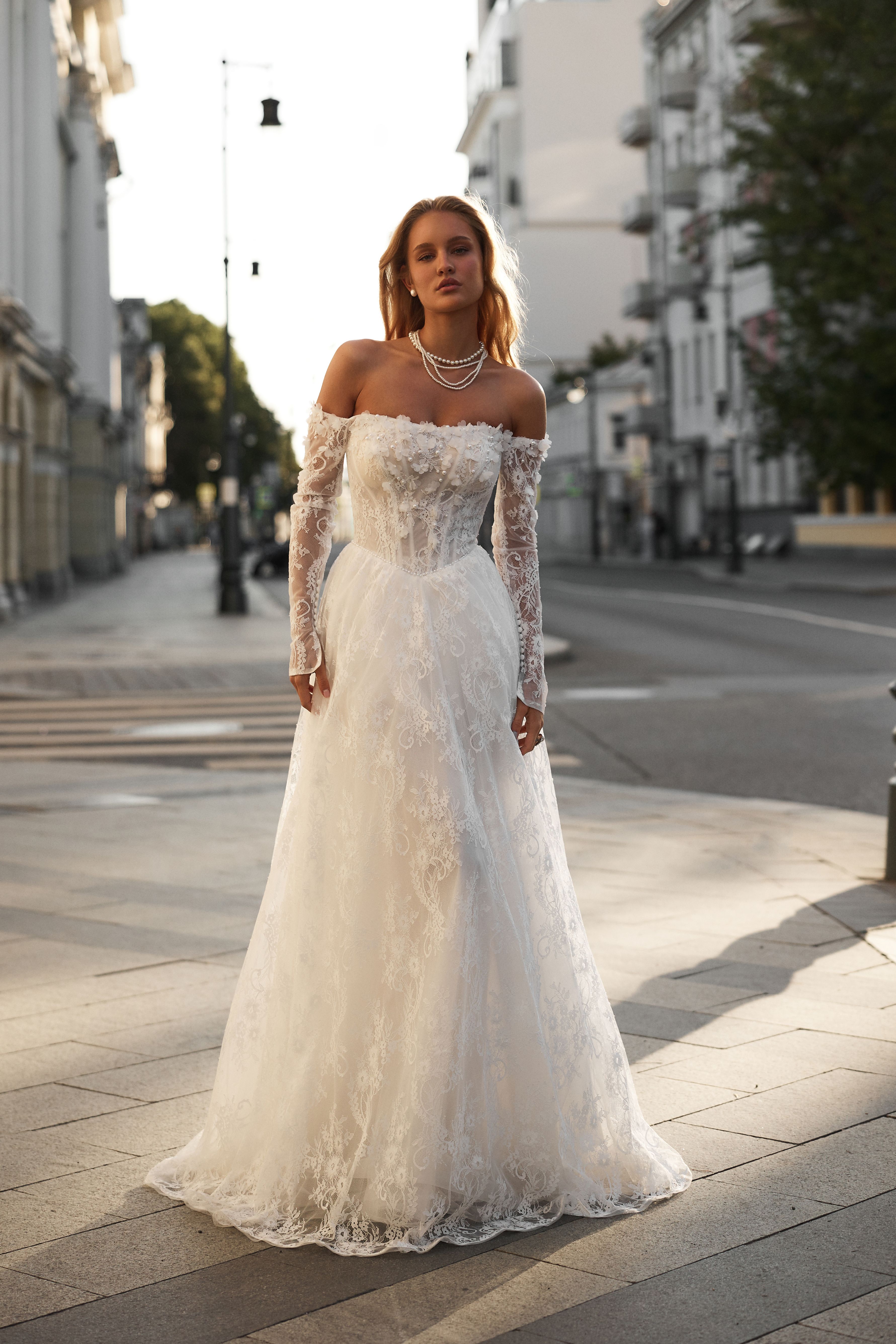
Sleeves, capes, overskirts and other removable pieces can change a look between ceremony and reception without replacing the whole dress.
Ask which elements actually detach on the model you choose and how they fasten. The detachable-sleeve selection is one place to start; removal time and styling options depend on the design.
Statement Bows and Knots
A large bow at the back or hip creates a focal point. Some are removable; others are built into the skirt or bodice.
On a smooth fabric, such as satin or taffeta, the outline can stand out clearly. On lace, the effect may be softer or more detailed. Check how the bow sits when you move and how the fabric responds to folding rather than assuming it will never crease.
A Short Dress Beneath an Overskirt
A short base dress with a fuller overskirt offers two silhouettes: a longer look for the ceremony and a shorter one for dancing.
It can be useful for a celebration that continues late into the evening. Browse convertible dresses and short styles, and confirm exactly which pieces are included.
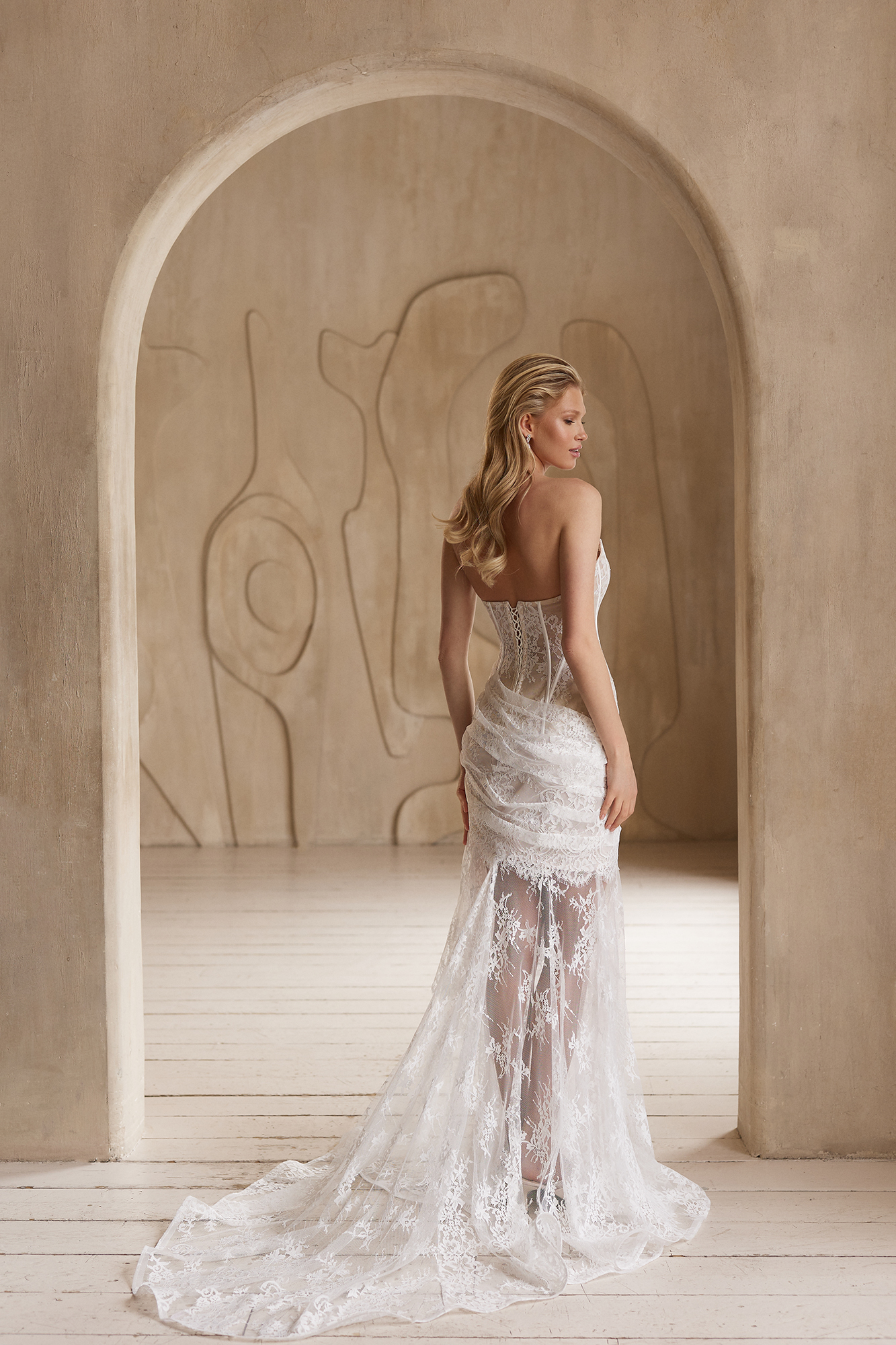
Explore the Fabrics
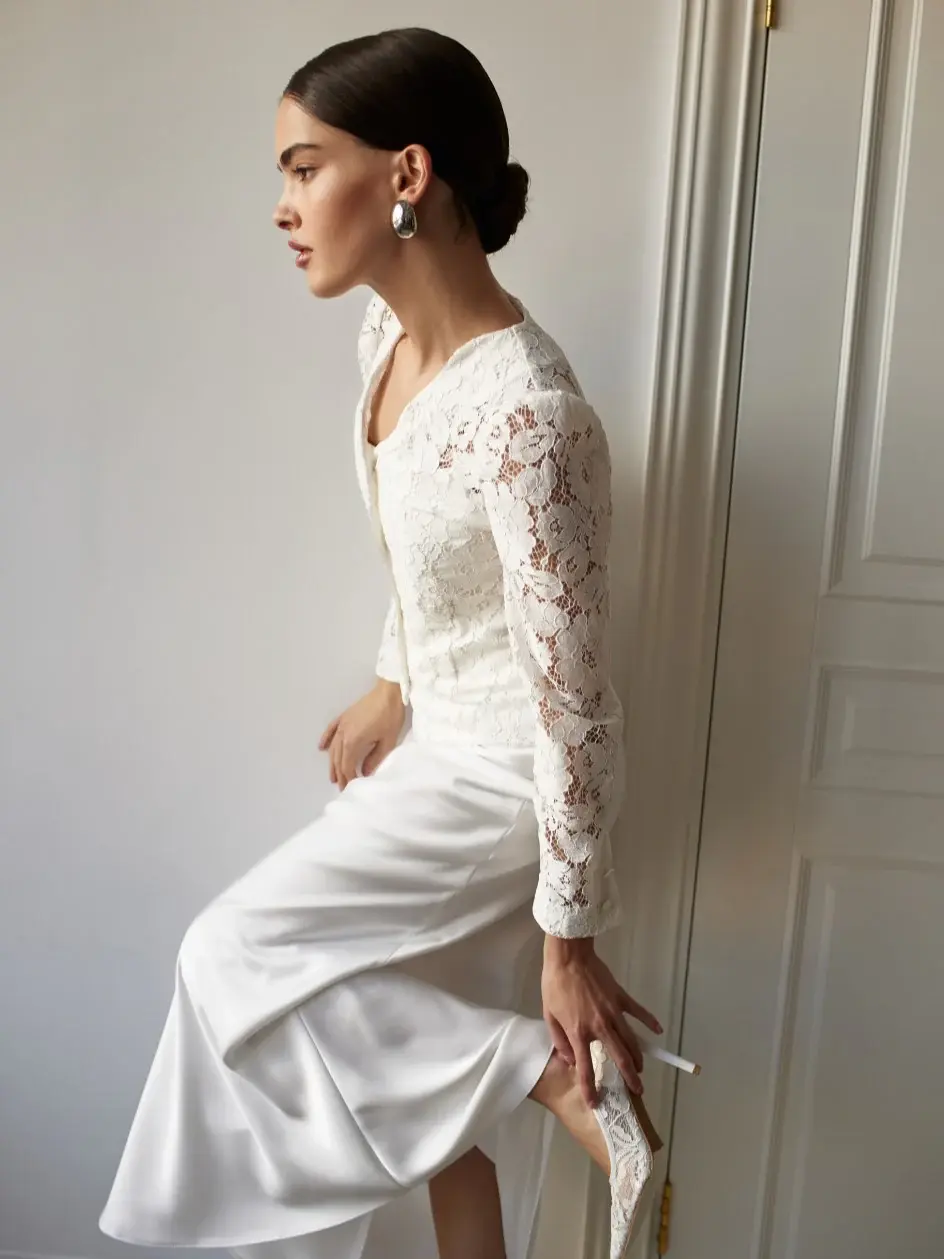
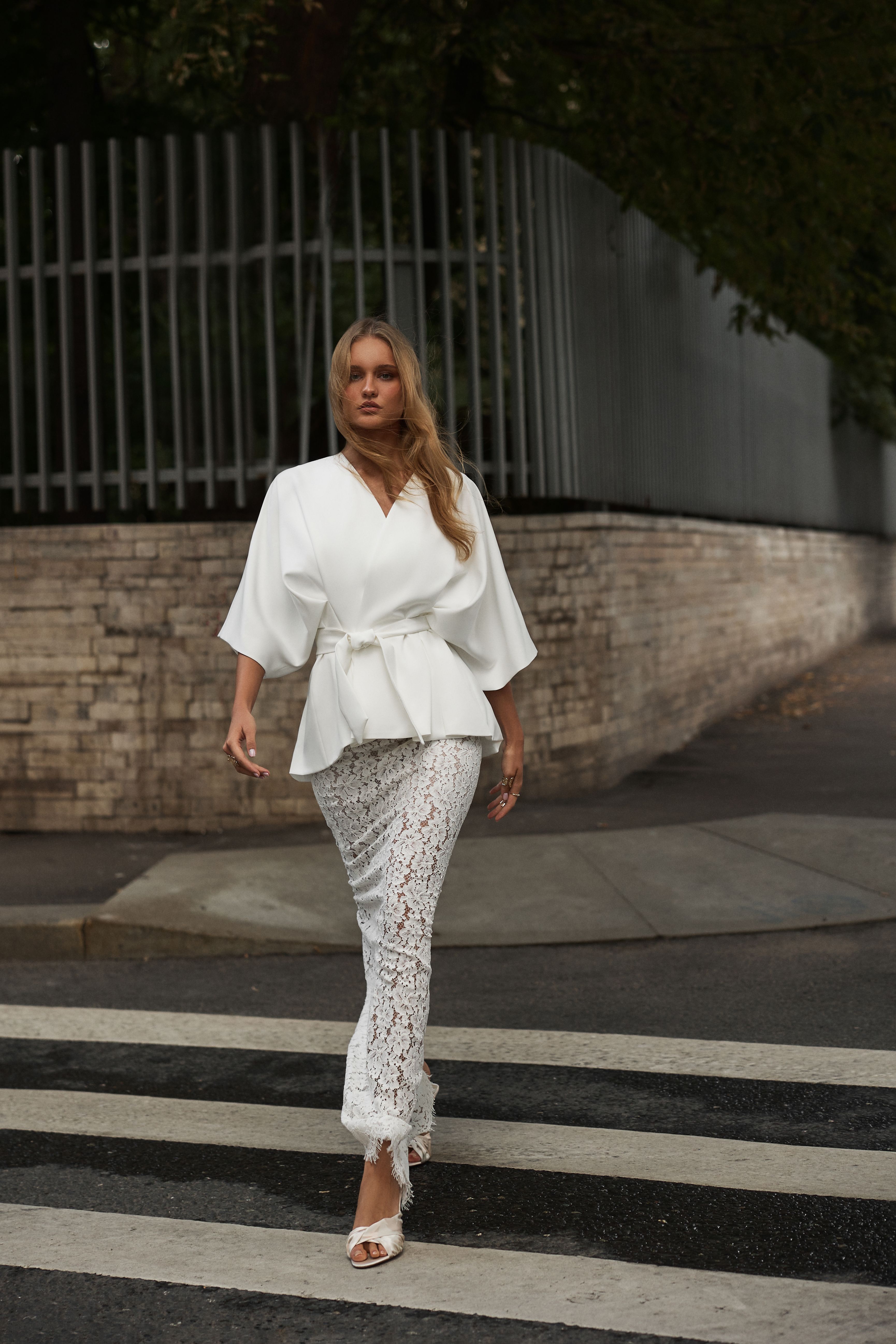
Taffeta can bring definition and a crisp feel to a fuller skirt. Textured fabrics can add sculptural interest, while lace can appear as an all-over surface or a smaller accent.
Tulle and silk offer other possibilities for lighter-looking designs. Comfort, weight and support depend on the complete dress, including its lining and structure—not only the name of the outer fabric.
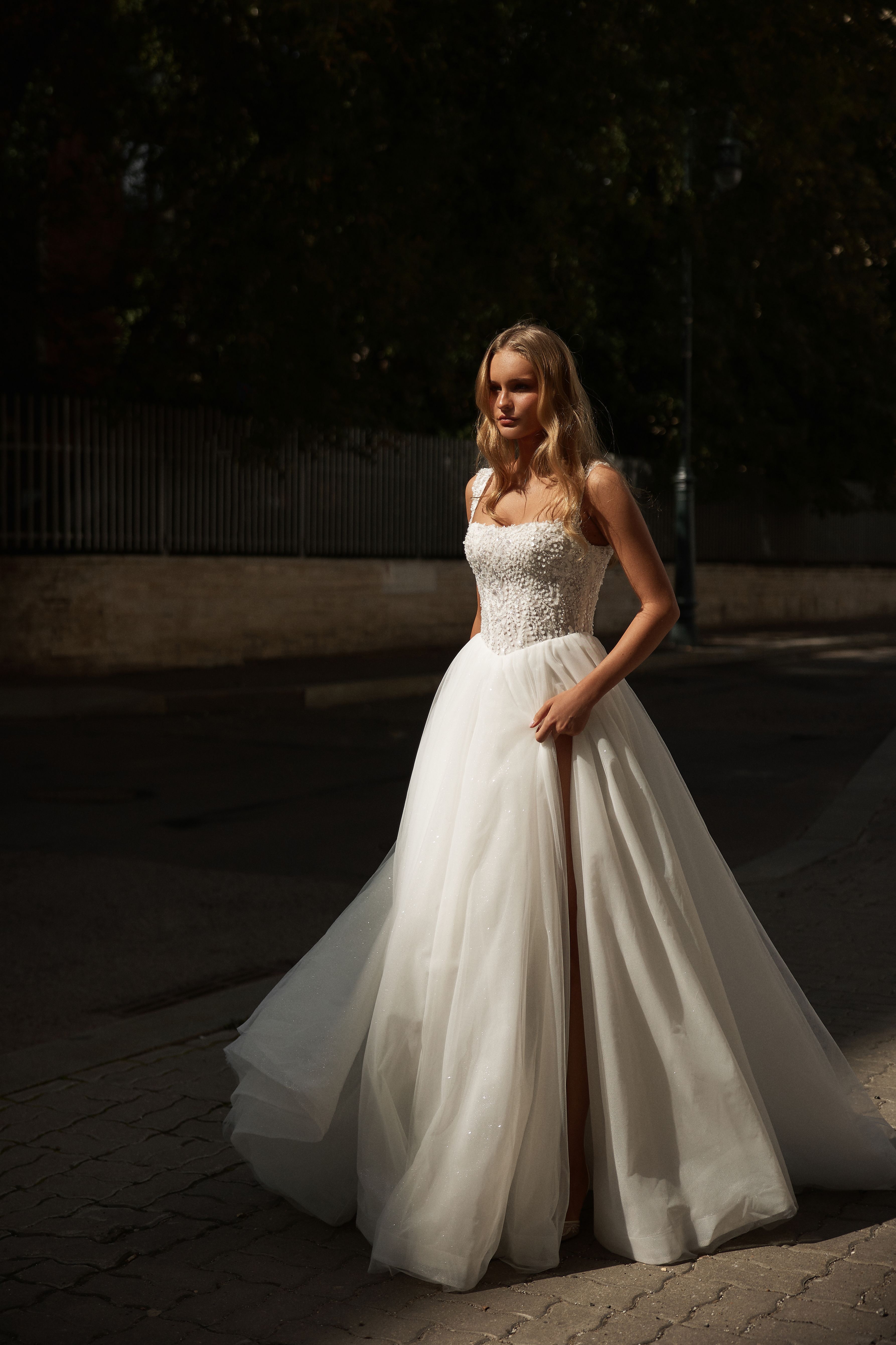
Open Backs and Slits
An open back or a slit can become the focal point of a dress, either alongside a neckline detail or instead of one.
A slit may reveal shoes as you walk, but its height and how much it opens vary by model and fit. In the slit-dress selection, compare standing photographs with any available movement views and ask about practical coverage.
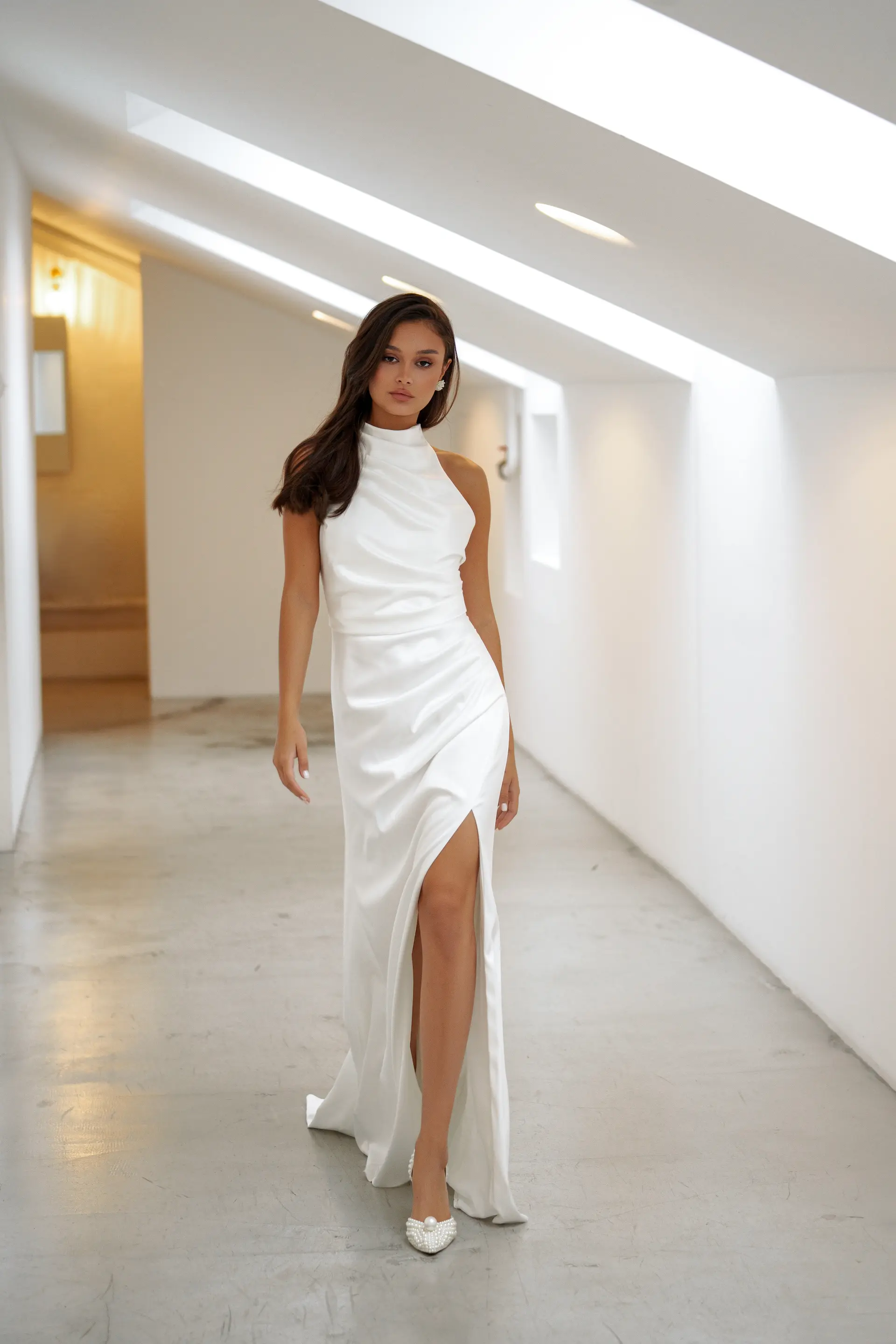
Compare Dress Colours
White, ivory, milky tones and blush offer different effects against skin and décor. None is automatically the most flattering: lighting and the exact fabric matter.
A coloured design may be your main dress or a second look. Explore beige tones and coloured dresses, and request colour information for the specific model instead of relying on a screen alone.
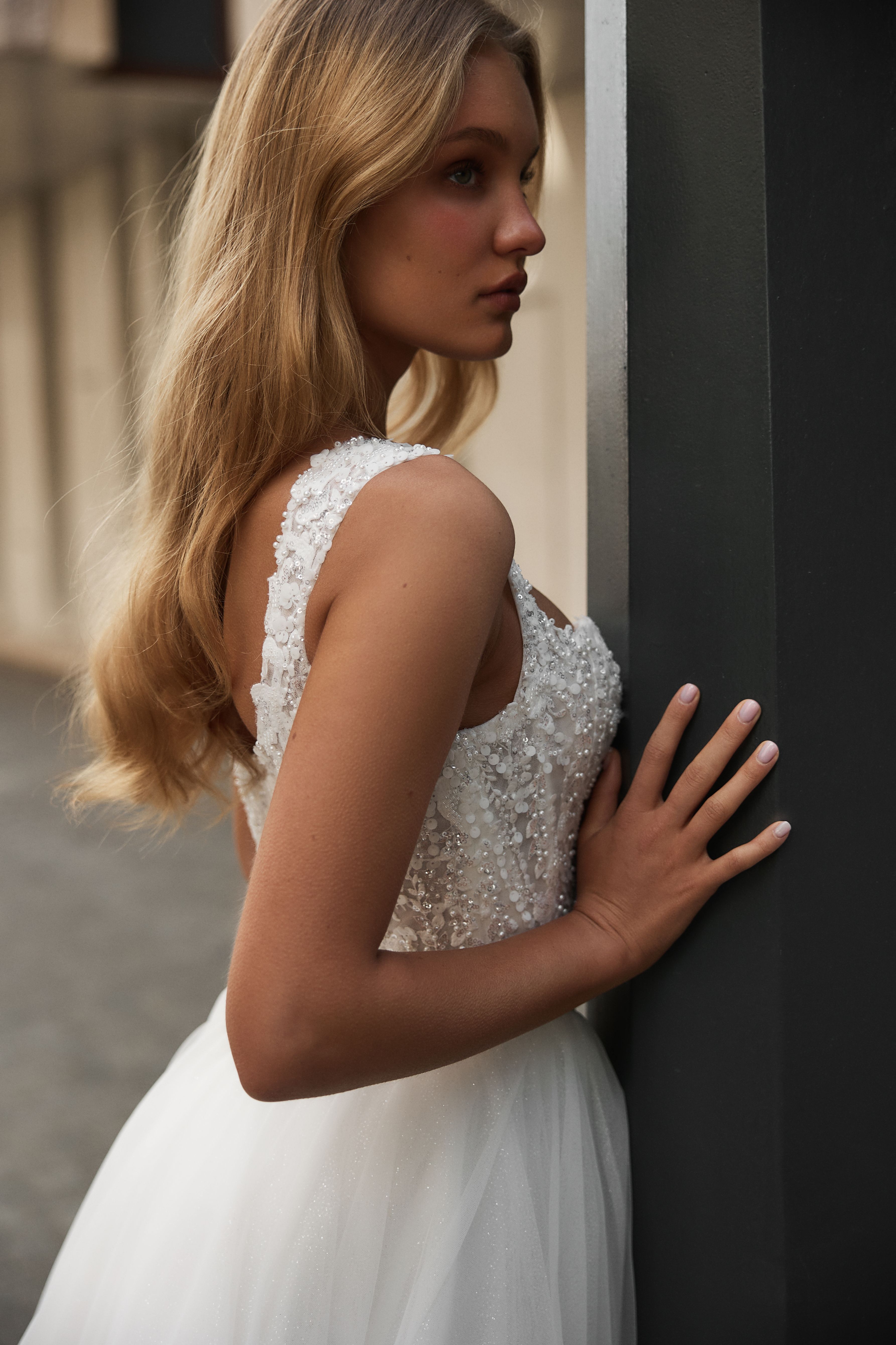
Keep the Details You Love
Heavy embroidery, layered full skirts and floor-length veils remain valid choices if they suit your taste. There is no need to reject them because a different style is described as newer.
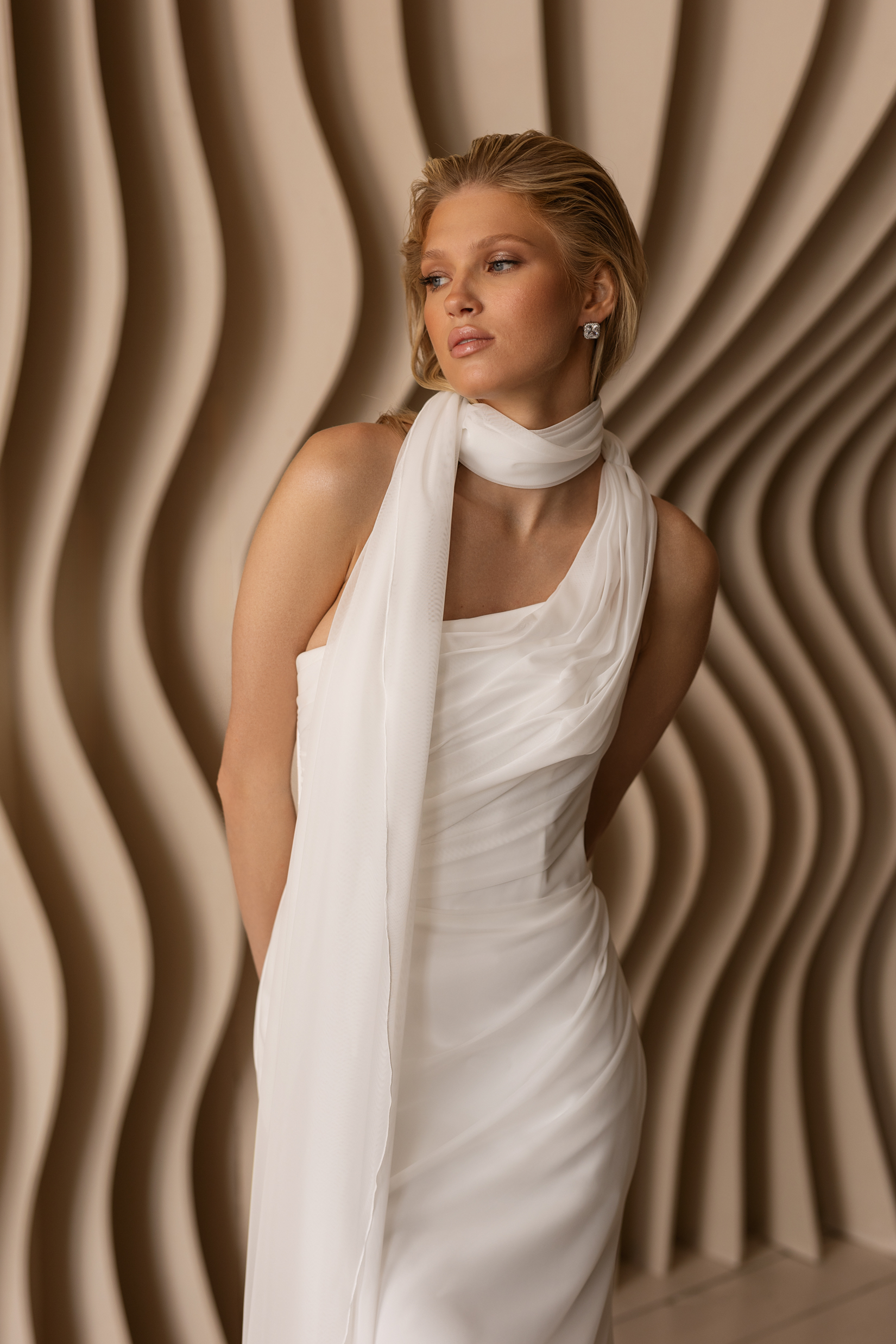
For a simpler alternative, try gloves, a choker or drop earrings. Compare the complete look and cost: a smaller accessory can change the mood, but prices depend on the individual piece.
The most useful test is whether a dress works for the day you are planning—sitting, walking, travelling and dancing included. Styling ideas can help you explore, but they should not decide for you.
Browse the Florintini catalogue and send us the models you like. We can discuss their details, sizing and your wedding date online. Leave time after delivery to try the dress with your shoes and arrange final alterations locally if needed.